The independent European allulose guide

Allulose in Europe: legality, safety and where to buy

D-allulose is the rare sugar that bakes, browns and tastes like the real thing — with around 90% fewer calories. Here is everything Europeans need to know, plus a free alert for the moment it becomes legally available in your country.

EU — not yet authorised Great Britain — risk assessment Updated 10 August 2026
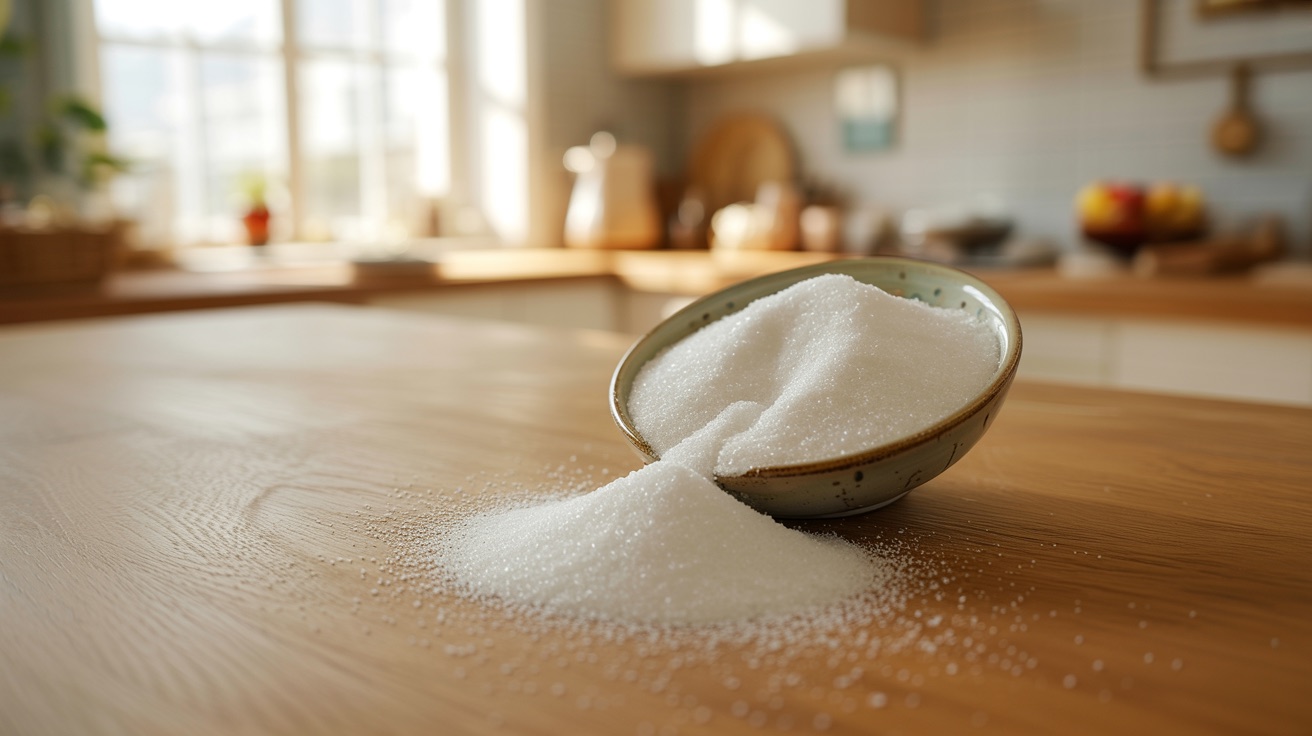
Crystalline allulose sweetener spilling from a ceramic bowl on a warm wooden table
  • Browns & caramelises like sugar
  • No cooling effect
  • ~90% fewer calories
24,200+
monthly allulose searches across Europe
8
countries tracked, in their own language
4
EU novel-food applications pending
~70%
of sugar’s sweetness, ~10% of the calories

The basics

What is allulose?

Allulose — also called D-allulose or D-psicose — is a rare sugar: a monosaccharide found naturally in small quantities in figs, raisins, jackfruit and maple syrup. Chemically it is almost identical to fructose, which is why it behaves so much like sugar in the kitchen, yet the body absorbs it without using it for energy in any meaningful way.

In practice, that means allulose delivers about 70% of the sweetness of ordinary sugar with roughly 0.2–0.4 kcal per gram — around 90% fewer calories. Unlike most sugar substitutes, it browns and caramelises, has no cooling effect on the tongue, and had minimal impact on blood glucose in published human studies.

In the United States it is FDA GRAS-notified and even excluded from total and added sugar counts on nutrition labels. In Europe, however, it is still working its way through novel-food approval — which is exactly what this guide tracks.

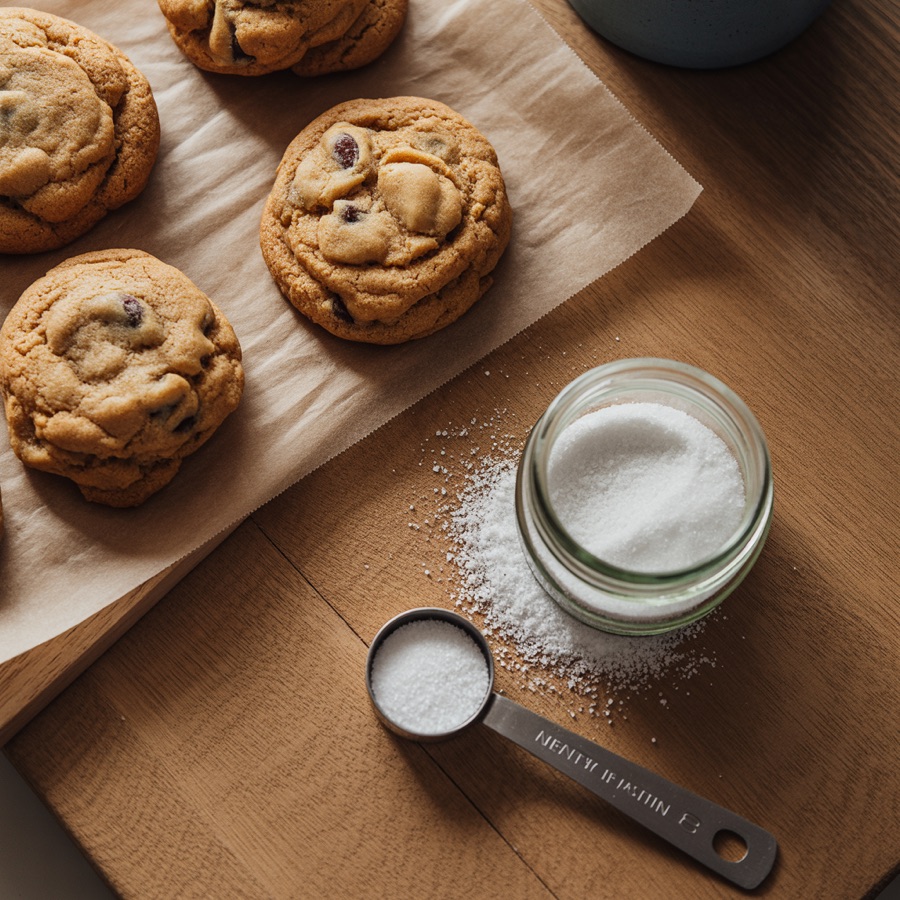
Golden-brown cookies next to a jar of white allulose crystals on a rustic wooden table

Why people want it

Why Europeans are searching for allulose

Allulose has become the most talked-about sugar alternative among keto, low-carb and calorie-conscious cooks — and the reasons are practical rather than hype.

  • Tastes like sugar, not like a substitute. A clean, rounded sweetness at about 70% the strength of sucrose, with none of the cooling effect that puts many people off erythritol.
  • Roughly 90% fewer calories. At around 0.2–0.4 kcal per gram, it sweetens without meaningfully adding to your energy intake.
  • Minimal impact on blood glucose in published human studies — which is why it is watched so closely by people following low-carb or diabetes-aware ways of eating. It is a food, not a treatment; anyone managing a medical condition should speak to their healthcare team.
  • It counts differently. In the US, the FDA excludes allulose from total and added sugar counts on labels, and many keto cooks leave it out of their net carbs.
  • It actually works in recipes. Browning, real caramel, soft cookies, scoopable ice cream — things most sweeteners simply cannot do.
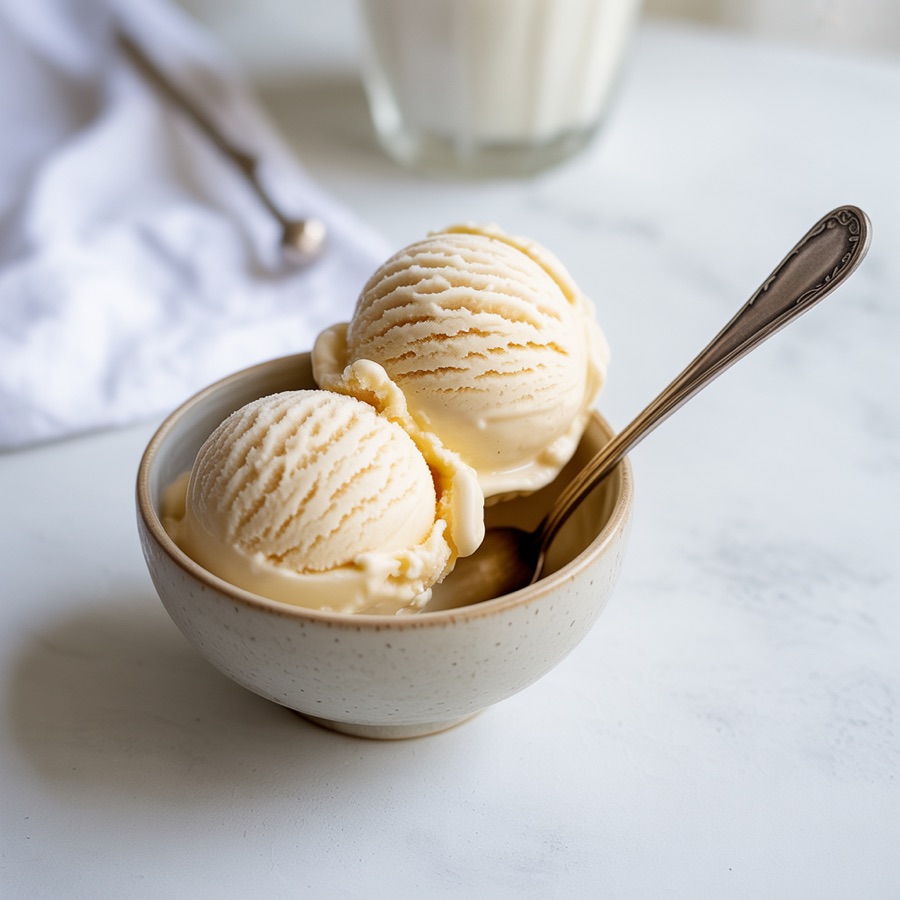
Scoopable vanilla ice cream made with allulose in a ceramic bowl

In the kitchen

Baking, caramel and ice cream

Baking is where allulose leaves other sweeteners behind. It browns and caramelises through the Maillard reaction, it is hygroscopic (it holds on to moisture, keeping cakes and cookies soft for days), and it lowers the freezing point of mixtures, so home-made ice cream stays scoopable straight from the freezer.

  • Substitution: allulose is about 70% as sweet as sugar, so use roughly 1.3 times the amount your recipe calls for.
  • Watch the browning: it colours faster than sugar. Lower your oven temperature by 10–15°C or shorten the bake, and check early.
  • Ice cream: it replaces sugar beautifully — no rock-hard icy blocks.
  • Caramel and sauces: it melts and caramelises like the real thing, without the recrystallising you get with erythritol.
  • Cookies and cakes: expect a softer, chewier result than with erythritol-based blends, and a proper golden crust.

Safety

Is allulose safe? Side effects and tolerance

Allulose has been eaten for years in markets where it is permitted, including the United States (where it is FDA GRAS-notified), Japan, South Korea and Mexico, and it was well tolerated at normal culinary doses in published human studies.

Side effects: like many low-digestible carbohydrates, large single doses can cause bloating or digestive discomfort. Studies commonly cite a tolerance of around 0.4 g per kg of body weight per dose — roughly 28 g in one sitting for a 70 kg adult. Start with small amounts and let your gut adjust.

What about EFSA? In April 2025, EFSA said it could not establish the safety of one applicant's dossier because the additional data it requested was never supplied. That is a data gap, not a danger finding: EFSA did not conclude that allulose is unsafe, and the other applications continue. "Not yet approved" and "proven dangerous" are very different things.

Head to head

Allulose vs erythritol, stevia, xylitol and monk fruit

Sweetness is easy. The hard part is bulk, browning and texture — and that is where the differences show.

SweetenerSweetness (vs sugar)kcal/gGlycaemic impactCooling effectBrowns / caramelisesAftertaste
Allulose~70%0.2–0.4Minimal in published human studiesNoneYes — browns even faster than sugarClean, sugar-like
Sugar (sucrose)100% (reference)4HighNoneYesNone
Erythritol~70%~0.2NegligibleStrongNo — recrystallisesCooling, slightly "minty" finish
Xylitol~100%~2.4LowMildPoor — melts but doesn't carameliseSlight cooling
Stevia200–400× sweeter~0NoneNoneNo — provides no bulkBitter or liquorice-like at higher doses
Monk fruit150–250× sweeter~0NoneNoneNo — provides no bulkMild fruity note for some

The demand

Europe is searching — every month

Monthly Google searches for the main local-language allulose term, by country.

France — “allulose”: 5 100 searches / monthFrance5 100Germany — “allulose”: 3 700 searches / monthGermany3 700United Kingdom — “allulose”: 3 700 searches / monthUnited Kingdom3 700Spain — “alulosa”: 3 500 searches / monthSpain3 500Netherlands — “allulose”: 2 100 searches / monthNetherlands2 100Poland — “alluloza”: 900 searches / monthPoland900Sweden — “allulose · allulos”: 500 searches / monthSweden500Italy — “allulosio”: 250 searches / monthItaly250

Source: Ahrefs, primary local head terms (“allulose”, “alulosa”, “alluloza”, “allulosio”), August 2026. Purchase-intent queries such as “allulose kaufen” and “alulosa comprar” add thousands more.

Regulation tracker

Is allulose legal in Europe? EU and UK status

EU Not yet authorised

Allulose is a novel food and is not on the Union list. Four applications are pending: CJ-Tereos, Petiva Europe, Samyang and Tate & Lyle. EFSA’s April 2025 opinion on the Petiva dossier could not establish safety because requested data was missing — a data gap, not a danger finding.

Union list checked 10 August 2026

GB Risk assessment in progress

The Food Standards Agency is assessing application RP-1130 (Savanna Ingredients) covering tabletop sweeteners, confectionery, snacks, beverages, cereals, bakery and supplements. Register last updated 1 July 2026.

FSA register checked 10 August 2026

In the European Union, allulose is classed as a novel food under Regulation (EU) 2015/2283. Because it is not yet on the Union list of authorised novel foods, it may not lawfully be placed on the EU market as a food. Four applications are currently pending, from CJ-Tereos, Petiva Europe, Samyang and Tate & Lyle.

In April 2025, EFSA published an opinion on the Petiva dossier: it could not establish the safety of D-allulose because the applicant did not provide the additional data requested. Crucially, EFSA did not conclude that allulose is unsafe — the dossier was incomplete, and the remaining applications continue through the process.

Great Britain runs its own approvals. The Food Standards Agency's application RP-1130 (Savanna Ingredients) is in progress at the risk-assessment stage, last updated 1 July 2026, covering tabletop sweeteners, sugar confectionery, snacks, beverages, breakfast cereals, fine bakery wares and food supplements. Great Britain looks likely to be the first European market to open.

So why can you see allulose on Amazon, iHerb, Etsy and eBay? Because it is already permitted in the United States, Japan, South Korea, Mexico and elsewhere, cross-border sellers ship it into Europe. Those listings are not proof of lawful domestic sale — they simply reflect a product that is legal somewhere else.

Country by country

Where can you buy allulose in Europe?

Pick your country. Each section is written in the local language, with the honest legal status, real import prices and straight answers about local shops.

Allulose kaufen in Deutschland: Was heute geht – und was (noch) nicht

In keinem EU-Land ist die Kaufabsicht so stark wie in Deutschland – hier ist der ehrliche Stand zu Rechtslage, Preisen und Bezugsquellen.

EU: noch nicht zugelassen

Nirgendwo in der EU ist die Kaufabsicht so ausgeprägt wie hier: Rund 3.700-mal pro Monat suchen Menschen in Deutschland nach Allulose, weitere 1.300-mal nach „Allulose kaufen“. Der Grund liegt auf der Hand: D-Allulose (auch D-Psicose genannt) ist ein sogenannter seltener Zucker, der von Natur aus in Feigen, Rosinen, Jackfrucht und Ahornsirup vorkommt. Sie süßt etwa 70 % so stark wie Haushaltszucker, liefert aber nur rund 0,2–0,4 kcal/g, karamellisiert beim Backen wie echter Zucker und hatte in veröffentlichten Humanstudien nur minimalen Einfluss auf den Blutzucker. In den USA, Japan und Südkorea ist sie längst im Handel – im deutschen Supermarktregal sucht man sie dagegen bislang vergeblich. Warum das so ist und was Sie heute wissen sollten, lesen Sie hier.

In der EU gilt D-Allulose als „neuartiges Lebensmittel“ (Novel Food) im Sinne der Verordnung (EU) 2015/2283. Sie steht bislang nicht auf der Unionsliste der zugelassenen neuartigen Lebensmittel – und darf deshalb in Deutschland noch nicht regulär als Lebensmittel in Verkehr gebracht werden. „Verboten“, wie man oft liest, ist sie damit nicht: Der korrekte Begriff lautet „noch nicht zugelassen“. Aktuell laufen vier Zulassungsanträge (CJ-Tereos, Petiva Europe, Samyang, Tate & Lyle). Die EFSA erklärte in ihrer Stellungnahme vom 29. April 2025 zum Petiva-Dossier, sie könne die Sicherheit nicht abschließend bewerten, weil angeforderte Daten fehlten – als unsicher stufte sie Allulose ausdrücklich nicht ein. Die übrigen Verfahren laufen weiter.

Wer heute Allulose kaufen möchte, findet in Deutschland ausschließlich Import- und Graumarkt-Angebote: einen Spezialversender (aktuell 19,90 € pro Kilogramm), dazu Marktplatz-Listings auf Amazon.de, iHerb, Etsy und eBay. Möglich sind diese Angebote, weil Allulose in den USA, Japan, Südkorea und Mexiko zugelassen ist – ein Beleg dafür, dass der Verkauf als Lebensmittel in der EU zulässig wäre, sind sie ausdrücklich nicht. Preislich sollten Sie mit deutlichen Aufschlägen rechnen:

BezugsquellePreis (ca.)
Deutscher Spezialversender19,90 €/kg
iHerb (340-g-Dose, Import)≈ 38,94 €/kg
B2B-Großgebinde (25 kg, netto)*8,20 €/kg

* Solange die EU-Zulassung aussteht, nur für Muster und Produktentwicklung – und zugleich ein Hinweis darauf, wie deutlich die Endkundenpreise nach einer Zulassung fallen dürften.

Gibt es Allulose bei dm?

Nein. dm führt keine Allulose – weder in den Filialen noch im Onlineshop. Rund 600 Menschen suchen jeden Monat nach „Allulose dm“, doch solange die EU-Novel-Food-Zulassung aussteht, darf keine deutsche Drogerie- oder Supermarktkette Allulose als Lebensmittel anbieten. Im Süßungsmittel-Regal finden Sie stattdessen Erythrit und Xylit – die schmecken allerdings anders und erzeugen einen Kühleffekt auf der Zunge, den Allulose nicht hat. Sobald die Zulassung erteilt ist, dürften Drogerien zu den ersten Anbietern gehören.

Gibt es Allulose bei Rossmann?

Nein. Auch bei Rossmann werden Sie derzeit nicht fündig – aus demselben Grund wie bei dm: D-Allulose ist in der EU noch nicht als neuartiges Lebensmittel zugelassen und darf deshalb im deutschen Einzelhandel nicht regulär verkauft werden. Dass Rossmann sie nicht listet, ist also keine Sortimentsentscheidung, sondern eine rechtliche Frage. Wir beobachten die laufenden Zulassungsverfahren und informieren Sie, sobald sich daran etwas ändert.

Welche Nebenwirkungen hat Allulose?

Die am häufigsten beschriebene Nebenwirkung betrifft die Verdauung: Größere Einzelmengen können Blähungen oder eine abführende Wirkung auslösen. Als Richtwert wird in der Fachliteratur eine Toleranz von etwa 0,4 g pro Kilogramm Körpergewicht und Portion genannt – bei 70 kg also rund 28 g auf einmal. Wer Allulose zum ersten Mal verwendet, startet am besten mit kleinen Mengen. Ein Kühleffekt auf der Zunge, wie ihn Erythrit erzeugt, tritt bei Allulose übrigens nicht auf.

Ist Allulose gefährlich?

Nach heutigem Kenntnisstand gibt es dafür keine Belege. Wichtig zur Einordnung: Die EFSA hat Allulose nicht als unsicher eingestuft – im Petiva-Verfahren konnte sie die Sicherheit lediglich nicht abschließend bewerten, weil der Antragsteller angeforderte Zusatzdaten nicht nachreichte. In den USA ist Allulose als GRAS eingestuft („generally recognized as safe“), auch Japan, Südkorea, Mexiko und Kolumbien erlauben sie. Die ausstehende EU-Zulassung ist ein Verfahrensstand, keine Warnung. Wie bei allen Zuckeralternativen gilt: Sehr große Einzeldosen können den Magen-Darm-Trakt belasten.

Was kostet Allulose in Deutschland?

Da es bislang nur Import- und Graumarkt-Angebote gibt, sind die Preise hoch: Ein deutscher Spezialversender verlangt aktuell 19,90 € pro Kilogramm, bei iHerb zahlen Sie umgerechnet knapp 39 € pro Kilogramm (340-g-Dose). Zum Vergleich: Im Großhandel kostet D-Allulose rund 8,20 € netto pro Kilogramm im 25-kg-Gebinde – derzeit allerdings nur für Muster und Produktentwicklung. Nach einer EU-Zulassung ist deshalb mit deutlich sinkenden Endkundenpreisen zu rechnen.

Wann wird Allulose in Deutschland zugelassen?

Ein verbindliches Datum gibt es nicht. Vier Anträge liegen der EU-Kommission vor, die Verfahren laufen. Vorreiter in Europa dürfte Großbritannien werden: Dort befindet sich der FSA-Antrag RP-1130 (Savanna Ingredients) bereits in der Risikobewertung (Stand: 1. Juli 2026) – unter anderem für Tafelsüßen, Süßwaren, Getränke und feine Backwaren. Sobald sich der Status für Deutschland ändert, erfahren Sie es über unseren kostenlosen Launch-Alarm.

Allulose in the UK: where to buy it today — and when it will finally be approved

The honest state of play for the allulose sweetener in the UK — legal status, import prices and the FSA timeline.

Great Britain: risk assessment under way

Allulose — or D-allulose, sometimes listed as D-psicose — is the rare sugar British low-carb bakers keep hearing about. It offers roughly 70% of the sweetness of sugar at about 0.2–0.4 kcal per gram, browns and caramelises like the real thing, keeps bakes soft, and has none of erythritol's chilly aftertaste. In published human studies it had minimal impact on blood glucose, and it occurs naturally in figs, raisins and maple syrup. UK interest has surged — yet search for allulose UK and you'll mostly find Reddit threads swapping import tips and the same recurring question: why isn't it approved here yet? The short answer: not yet — but Great Britain may well be the first market in Europe where that changes.

Is allulose legal in the UK?

In Great Britain, as across the EU, D-allulose is classed as a novel food and has not yet been authorised for sale as food. You'll see "banned" bandied about online; that's not accurate — nothing has been prohibited, it simply hasn't finished the approval process. The Food Standards Agency is assessing application RP-1130, submitted by Savanna Ingredients, currently "in progress" at the risk-assessment stage (last updated 1 July 2026). It covers tabletop sweeteners, sugar confectionery, snacks, beverages, breakfast cereals, fine bakery wares and food supplements. Because the FSA runs its own process — while four separate applications are still queued in Brussels — Great Britain is the most likely first European market to open. You can follow RP-1130 on the FSA's public register.

Where to buy allulose in the UK today

The plain truth: you cannot buy allulose in a British shop, because domestic sale isn't yet authorised. What exists is imports. Allulose is GRAS-notified in the United States and permitted in Japan, South Korea and Mexico, which is why crystalline allulose powder turns up on Amazon, iHerb, eBay and Etsy — those listings reflect overseas rules, not UK approval, and they come and go.

SourceFormatReference price
iHerb (ships from the US)340 g tub, allulose powder£10.11 (≈ £29.74/kg)
Amazon & eBay marketplacesImported bags and tubsVaries — always compare the per-kilo price

For comparison, a specialist shop in Germany lists it at €19.90 per kilo — a grey-market listing rather than an authorised EU food sale, and well under the typical UK import price. If GB authorisation is granted, expect mainstream prices far below today's import premium.

Can I buy allulose at Tesco, Sainsbury's or any UK supermarket?

No. Because D-allulose has not yet been authorised as a novel food in Great Britain, no mainstream supermarket — Tesco, Sainsbury's, Asda, Morrisons or Waitrose — can stock it. Their sugar-alternative shelves stick to approved options such as erythritol, stevia and xylitol. That will only change once the FSA completes its assessment of application RP-1130.

Does Holland & Barrett sell allulose?

No. Holland & Barrett carries plenty of sugar alternatives, but allulose is not among them — and cannot be until GB authorisation is granted. If a high-street shop were offering it today, that would be a red flag rather than a scoop.

Why is allulose all over Amazon UK if it isn't approved?

Marketplace sellers list imported allulose powder shipped from countries where it is permitted, chiefly the United States. A live listing is not proof that domestic sale is lawful — it simply reflects how patchily marketplaces police novel-food rules, and listings do appear and vanish accordingly.

Can I order allulose from iHerb to the UK?

iHerb ships 340 g tubs to the UK at around £10.11 — roughly £29.74 per kilo, several times the price of approved sweeteners. It's an import from the US, where allulose is GRAS-notified; ordering it is your own initiative as a consumer and is not evidence of UK approval.

Why does H Mart keep appearing when I search for allulose?

H Mart is a Korean-American grocery chain, and allulose is hugely popular in South Korea, where it is permitted. It has a small UK presence, but the product pages that rank in UK search results are largely its US listings — so they are not a reliable guide to what sits on a British shelf.

Is allulose banned in the UK?

No — and this is the most common misunderstanding. Allulose is a novel food that has not yet been authorised, which is quite different from a ban. The FSA is actively assessing application RP-1130 at the risk-assessment stage, and Great Britain is widely expected to be the first European market to approve it.

Allulose side effects: what should UK users expect?

Most allulose passes through the body largely unused — which is why it contributes so few calories, and why large single doses can cause digestive discomfort such as bloating. A commonly cited comfortable limit is about 0.4 g per kilo of body weight per sitting — roughly 28 g for a 70 kg adult. In published human studies it had minimal impact on blood glucose, but it is a food ingredient, not a medicine, and no treatment claims should be read into that.

How much does allulose powder cost in the UK?

Imported allulose powder currently costs about £29.74 per kilo via iHerb (£10.11 for a 340 g tub), with marketplace prices varying widely. That is an import premium: prices in approved markets are markedly lower, and UK prices should fall substantially once allulose can be sold domestically at scale.

When will the FSA approve allulose for sale in Great Britain?

There is no official date. Application RP-1130 is at the risk-assessment stage (last updated 1 July 2026), and the FSA does not publish deadlines. What can fairly be said: Great Britain runs its own approval process and is the most likely first European market to open. Our tracker follows every status change.

Is allulose the best sugar-free sweetener available in the UK?

It depends what you need. Erythritol, stevia and xylitol are all authorised and easy to find in UK supermarkets, and for sweetening tea or coffee they do the job cheaply. Where allulose stands apart is baking and frozen desserts: it browns, caramelises and keeps home-made ice cream scoopable, with no cooling effect — things none of the authorised options can match. Until the FSA rules on RP-1130, though, it remains an import rather than a shelf staple.

Acheter de l’allulose en France : légal ou pas, et à quel prix ?

Le guide indépendant : statut réel de l’allulose en France, prix d’import et alerte de lancement — sans rien vous vendre.

UE : pas encore autorisé

Le D-allulose (ou D-psicose) est un « sucre rare » présent naturellement dans la figue, le raisin sec, le fruit du jacquier ou le sirop d’érable. Son intérêt : environ 70 % du pouvoir sucrant du sucre pour seulement 0,2 à 0,4 kcal/g, une vraie caramélisation à la cuisson et aucun effet « frais » en bouche, contrairement à l’érythritol. Dans les études cliniques publiées chez l’humain, il n’a eu qu’un impact minime sur la glycémie. Avec plus de 5 100 recherches par mois, « allulose » est devenue l’une des requêtes liées aux édulcorants les plus tapées d’Europe — et la France s’interroge : autorisé, interdit, où l’acheter ? Ce guide fait le point, faits et sources à l’appui.

« Allulose interdit en France » : c’est souvent le premier résultat Google, et c’est trompeur. L’allulose n’a jamais été interdit pour cause de dangerosité prouvée. C’est un « nouvel aliment » au sens du règlement (UE) 2015/2283 : tant qu’il ne figure pas sur la liste de l’Union des nouveaux aliments autorisés, il ne peut pas être commercialisé comme denrée alimentaire dans l’UE — France comprise. Quatre demandes d’autorisation sont en cours (CJ-Tereos, Petiva Europe, Samyang, Tate & Lyle). Le 29 avril 2025, l’EFSA a rendu un avis sur le dossier Petiva : elle n’a pas pu confirmer la sécurité, le demandeur n’ayant pas fourni les données complémentaires demandées — elle n’a pas conclu que l’allulose était dangereux. Les autres dossiers suivent leur cours.

Peut-on acheter de l’allulose dès aujourd’hui ? Aucune enseigne française ne peut légalement en vendre tant que l’autorisation européenne n’est pas délivrée. En pratique, des annonces d’achat en ligne existent pourtant (Amazon, iHerb, Etsy, eBay) : l’allulose est autorisé aux États-Unis, au Japon ou en Corée du Sud, et ces plateformes expédient depuis l’étranger. Attention : une annonce en ligne ne vaut pas autorisation de vente dans l’UE, et l’importation se fait à vos risques et périls. Repères de prix constatés :

SourceFormatPrixÉquivalent
iHerb (import)340 g13,24 €≈ 38,94 €/kg
Utilisateur français (Reddit), livré de l’étranger≈ 1,36 kg (3 lb)≈ 30 €≈ 22,05 €/kg
Boutique spécialisée (Allemagne, offre grise)1 kg19,90 €19,90 €/kg

Pour référence, le prix B2B tourne autour de 8,20 € HT/kg (par 25 kg, réservé aux échantillons et au développement produit tant que l’autorisation UE est en attente) : les prix grand public devraient donc nettement baisser après l’autorisation.

Trouve-t-on de l’allulose chez Carrefour, Leclerc, Auchan ou Intermarché ?

Non. Aucune grande surface française ne vend d’allulose, et ce n’est pas un choix commercial : tant que l’allulose ne figure pas sur la liste de l’Union des nouveaux aliments autorisés, aucune enseigne ne peut légalement le mettre en rayon. Au rayon « sucres et édulcorants », vous trouverez en revanche l’érythritol, la stévia ou le xylitol, déjà autorisés dans l’UE.

L’allulose est-il vendu en pharmacie ou en magasin bio (Biocoop, Naturalia, La Vie Claire) ?

Non plus. Pharmacies, parapharmacies et enseignes bio sont soumises aux mêmes règles européennes sur les nouveaux aliments que la grande distribution. Si un produit en boutique physique en France semble contenir de l’allulose, lisez l’étiquette de près : la liste d’ingrédients doit faire foi. Nous mettrons cette réponse à jour dès que la situation réglementaire changera.

Amazon et iHerb livrent-ils de l’allulose en France ?

Des annonces existent bel et bien : Amazon et iHerb figurent parmi les premiers résultats pour « allulose achat en ligne ». Ces produits sont expédiés depuis des pays où l’allulose est autorisé, notamment les États-Unis. Chez iHerb, comptez 13,24 € les 340 g, soit près de 38,94 €/kg. Mais une annonce sur une place de marché ne vaut pas autorisation de vente dans l’UE : l’import se fait sous votre propre responsabilité, et un colis peut en principe être retenu.

L’allulose est-il interdit en France ?

Pas au sens où on l’entend souvent. Aucune autorité n’a interdit l’allulose après avoir démontré un danger. C’est un « nouvel aliment » qui n’a simplement pas encore reçu d’autorisation européenne : sans inscription sur la liste de l’Union, il ne peut pas être vendu comme aliment dans l’UE. La nuance est de taille : « pas encore autorisé » ne veut pas dire « interdit pour dangerosité ».

L’allulose est-il dangereux ?

Rien ne permet de l’affirmer. L’allulose est consommé légalement aux États-Unis (statut GRAS notifié auprès de la FDA), au Japon, en Corée du Sud, au Mexique ou en Colombie. En Europe, l’EFSA a examiné un premier dossier (avis du 29 avril 2025) et n’a pas pu se prononcer sur la sécurité, faute des données complémentaires demandées au fabricant — ce qui n’est pas une conclusion de dangerosité. D’autres dossiers sont en cours d’évaluation.

Quels sont les effets secondaires de l’allulose ?

Comme beaucoup de glucides peu absorbés, une grosse dose en une seule prise peut provoquer un inconfort digestif (ballonnements, effet laxatif). La tolérance couramment citée est d’environ 0,4 g par kilo de poids corporel et par prise, soit autour de 28 g pour une personne de 70 kg. En quantités raisonnables et réparties dans la journée, il est généralement bien toléré ; un utilisateur français rapporte d’ailleurs l’absence d’arrière-goût désagréable. Dans les études cliniques publiées, il n’a eu qu’un impact minime sur la glycémie.

Quand pourra-t-on acheter de l’allulose légalement en France ?

Aucune date officielle. Quatre demandes sont en cours d’examen au niveau européen, et l’issue dépend des données que les industriels fourniront à l’EFSA. À noter : la Grande-Bretagne évalue sa propre demande (dossier RP-1130, en phase d’évaluation des risques) et pourrait être le premier marché européen à ouvrir. Inscrivez-vous à notre alerte gratuite pour être prévenu dès le feu vert.

Comprar alulosa en España: qué es legal hoy y cuándo va a cambiar

Guía independiente sobre la alulosa en España: situación legal real, precios de importación verificados y aviso gratuito de lanzamiento.

UE: aún no autorizada

Cada mes, unas 3.500 personas buscan «alulosa» en Google España, y el interés no deja de crecer: las búsquedas han aumentado un 54,7 % respecto a 2024, uno de los mayores crecimientos entre los grandes mercados europeos. No es casualidad. La alulosa —también llamada D-alulosa o D-psicosa— es un «azúcar raro» con un 70 % del dulzor del azúcar y solo 0,2–0,4 kcal/g, que se dora y carameliza al hornear y que, en los estudios publicados en humanos, mostró un impacto mínimo en la glucosa en sangre. Aparece de forma natural en higos, pasas o sirope de arce.

El problema: en España, como en el resto de la UE, todavía no está autorizada como alimento. Aquí te contamos qué significa eso, qué opciones reales existen hoy y cuándo puede cambiar.

Mucha gente llega aquí preguntándose «¿por qué está prohibida la alulosa?». La respuesta exacta es otra: no está prohibida, sino pendiente de autorización. En la UE, la D-alulosa es un «nuevo alimento» regulado por el Reglamento (UE) 2015/2283 y aún no figura en la lista de la Unión de nuevos alimentos autorizados, por lo que de momento no puede comercializarse legalmente como alimento ni en España ni en el resto de la UE.

Hay cuatro solicitudes en trámite (CJ-Tereos, Petiva Europe, Samyang y Tate & Lyle). El 29 de abril de 2025, la EFSA publicó su dictamen sobre el expediente de Petiva: no pudo establecer la seguridad porque el solicitante no aportó los datos adicionales que se le pidieron. Ojo: la EFSA no concluyó que la alulosa sea insegura; el expediente era insuficiente. Las demás solicitudes siguen su curso.

Hoy, «comprar alulosa» en España es sinónimo de importación. En Google, Amazon encabeza los resultados e iHerb aparece entre los primeros puestos, junto a fichas de producto latinoamericanas: varios países de América Latina (México o Colombia, por ejemplo) sí permiten la alulosa, y de ahí viene buena parte de la confusión. Que un producto figure en un marketplace no demuestra que su venta como alimento esté autorizada en España: ningún supermercado español la tiene, y quien la importa lo hace bajo su propia responsabilidad.

FuentePrecio orientativoDetalle
Tienda especializada (Alemania, mercado gris)19,90 €/kgPrecio verificado en agosto de 2026
Compra internacional (usuario real, con envío)≈ 22,05 €/kgPedido entregado desde el extranjero
iHerb≈ 38,94 €/kgBotes de 340 g; el formato pequeño encarece el kilo

Como referencia industrial: unos 8,20 €/kg sin IVA en sacos de 25 kg, limitados a muestras y desarrollo de producto mientras se tramita la autorización europea.

¿Venden alulosa en Mercadona?

No. Mercadona no vende alulosa, y no es una cuestión de falta de stock: mientras la UE no la incluya en la lista de nuevos alimentos autorizados, ningún supermercado español —tampoco Carrefour, Lidl o Dia— puede venderla legalmente como alimento. Aun así, unas 600 personas al mes la buscan asociada a Mercadona, señal clara del interés que existe. Cuando llegue la autorización europea, lo lógico es que las grandes cadenas se muevan rápido. Hasta entonces, desconfía de cualquier web que asegure que ya está en sus estanterías.

¿Es fiable comprar alulosa en Amazon o iHerb?

En Amazon, iHerb y otros marketplaces verás alulosa a la venta, casi siempre de vendedores internacionales. Esos anuncios existen porque la alulosa sí está permitida en EE. UU. (con notificación GRAS ante la FDA), Japón, Corea del Sur, México o Colombia, entre otros países. Ahora bien: que exista el anuncio no demuestra que su venta como alimento esté autorizada en España. Si decides importarla para consumo propio, hazlo con criterio: compara el precio por kilo (los botes pequeños salen caros) y ten presente que la decisión y la responsabilidad son tuyas.

¿Por qué está prohibida la alulosa en España?

En rigor, no está «prohibida»: es un nuevo alimento pendiente de autorización conforme al Reglamento (UE) 2015/2283, y nadie ha concluido que sea insegura. En su dictamen de abril de 2025 sobre uno de los expedientes (el de Petiva), la EFSA no pudo establecer la seguridad porque el solicitante no aportó los datos adicionales solicitados, algo muy distinto de un veredicto negativo. Otras tres solicitudes siguen en evaluación.

¿Qué efectos secundarios tiene la alulosa?

Como ocurre con otros edulcorantes de volumen, tomar mucha de golpe puede causar molestias digestivas (gases, hinchazón o efecto laxante). La tolerancia que se cita habitualmente ronda los 0,4 g por kilo de peso corporal por toma: unos 28 g de una vez para una persona de 70 kg. Repartida en cantidades normales de cocina, la mayoría de la gente la tolera bien. En los estudios publicados en humanos mostró un impacto mínimo en la glucosa en sangre; no es un medicamento y no debe presentarse como tal.

¿Qué es exactamente la d-alulosa y en qué se diferencia del eritritol?

La d-alulosa (o D-psicosa) es un «azúcar raro» presente en pequeñas cantidades en higos, pasas, yaca y sirope de arce. Endulza un 70 % de lo que endulza el azúcar, aporta solo 0,2–0,4 kcal/g y, a diferencia del eritritol, no deja sensación refrescante en boca. En la cocina se comporta como el azúcar: se dora y carameliza (reacción de Maillard), retiene humedad —los bizcochos quedan tiernos— y baja el punto de congelación, lo que da helados caseros cremosos y fáciles de servir.

¿Cuándo se podrá comprar alulosa en España?

No hay fecha oficial. Cuatro expedientes siguen en trámite en la UE, y Gran Bretaña —con la solicitud RP-1130 en fase de evaluación de riesgos ante la FSA— apunta a ser el primer mercado europeo en abrirse. En cuanto la alulosa entre en la lista de la Unión, su venta en España será legal y los precios deberían bajar hacia las referencias industriales. Si quieres enterarte el primer día, apúntate a nuestro aviso gratuito.

Allulose kopen in Nederland: dit kan al wél — en dit nog niet

De snelst groeiende zoetstofzoekterm van Europa, maar nog nergens in het Nederlandse schap.

EU: nog niet toegelaten

Geen zoetstof groeit in Nederland zo hard als allulose: de term wordt maandelijks zo'n 2.100 keer gezocht en het zoekvolume is sinds 2023 met 457% gestegen — de snelste groei van heel Europa. Niet gek, want d-allulose (ook bekend als D-psicose) is een zogeheten rare sugar die van nature voorkomt in vijgen, rozijnen en ahornsiroop. Het is ongeveer 70% zo zoet als gewone suiker, levert slechts circa 0,2–0,4 kcal per gram en gedraagt zich in de keuken écht als suiker: het karamelliseert, houdt gebak smeuïg en geeft geen koelend effect zoals erythritol. In gepubliceerde studies bij mensen had het bovendien minimale invloed op de bloedsuikerspiegel. Eén probleem: je kunt het in Nederland nog nergens gewoon kopen.

In de hele EU — dus ook in Nederland — geldt allulose als novel food onder Verordening (EU) 2015/2283. Het staat nog niet op de Unielijst van toegelaten nieuwe voedingsmiddelen en mag daarom nog niet als levensmiddel op de Europese markt worden gebracht. 'Verboden' is dus niet het juiste woord: allulose is simpelweg nog niet toegelaten. Er lopen momenteel vier aanvragen (CJ-Tereos, Petiva Europe, Samyang en Tate & Lyle). Over het Petiva-dossier publiceerde de EFSA op 29 april 2025 een opinie: de veiligheid kon niet worden vastgesteld omdat de aanvrager gevraagde aanvullende gegevens niet aanleverde. De EFSA concludeerde nadrukkelijk níét dat allulose onveilig is, en de overige aanvragen lopen gewoon door.

Eerlijk antwoord op de zoekvraag 'allulose kopen': geen enkele Nederlandse supermarkt of drogist heeft het in het schap, en dat kan ook niet zolang de EU-toelating uitblijft. Wat je wél ziet, is importaanbod via buitenlandse (web)winkels, omdat allulose in de VS (FDA GRAS-status), Japan en Zuid-Korea al wel is toegestaan. Zo'n listing is echter geen bewijs dat verkoop binnen de EU is toegestaan — bestellen doe je op eigen risico.

Bron (import)PrijsindicatieKanttekening
Duitse speciaalzaak (grijze markt)€ 19,90 per kggeverifieerd augustus 2026
iHerb (potten van 340 g)± € 38,94 per kgverzending vanuit de VS
Levering uit het buitenland (praktijkvoorbeeld)± € 22,05 per kginclusief verzendkosten

Ter vergelijking: de Nederlandse B2B-groothandel 12Taste noteert € 205 voor 25 kg (€ 8,20 per kg excl. btw, Chinese oorsprong), maar uitsluitend voor samples en productontwikkeling zolang de EU-goedkeuring nog loopt.

Verkoopt Albert Heijn allulose?

Nee. Hoewel 'allulose ah' maandelijks honderden keren wordt gezocht, ligt allulose niet bij Albert Heijn — en ook niet bij Jumbo, Plus of een andere Nederlandse supermarkt. Dat is geen commerciële keuze maar een juridische: zolang allulose niet op de EU-Unielijst van toegelaten nieuwe voedingsmiddelen staat, mag geen enkele Europese winkel het als levensmiddel verkopen. Zodra de toelating rond is, is de kans groot dat grote ketens snel volgen.

Heeft Holland & Barrett allulose?

Nee, ook Holland & Barrett verkoopt geen allulose — niet in de Nederlandse filialen en niet online. De reden is dezelfde als bij de supermarkten: zonder EU-toelating als novel food mag het hier niet als voedingsmiddel worden aangeboden. Interessant detail: in Groot-Brittannië, het thuisland van de keten, behandelt voedselautoriteit FSA momenteel aanvraag RP-1130 voor D-allulose (status: risicobeoordeling). Groot-Brittannië wordt daarmee mogelijk de eerste Europese markt waar allulose legaal verkrijgbaar is — maar ook daar is het vandaag nog niet toegelaten.

Kun je allulose via Amazon of bol.com bestellen?

Op Amazon duiken regelmatig allulose-aanbiedingen op, vrijwel altijd van buitenlandse verkopers die vanuit de VS of Azië verzenden; op bol.com is het aanbod schaars tot afwezig. Belangrijk om te weten: dat een marktplaats-listing bestaat, betekent niet dat het product legaal als levensmiddel op de EU-markt mag worden gebracht. Bestel je toch, dan importeer je op eigen risico — let op de etikettering, de houdbaarheid en mogelijke douanekosten.

Wat zijn de bijwerkingen van allulose?

Allulose wordt grotendeels onveranderd door het lichaam uitgescheiden. Grote hoeveelheden in één keer kunnen — net als bij andere laagcalorische zoetstoffen — maag-darmklachten geven, zoals een opgeblazen gevoel of dunne ontlasting. Als vuistregel wordt vaak een tolerantie van circa 0,4 gram per kilo lichaamsgewicht per portie genoemd: bij 70 kg is dat zo'n 28 gram per keer. Rustig opbouwen en porties spreiden voorkomt de meeste klachten.

Is allulose gevaarlijk?

Er is geen wetenschappelijke conclusie dat allulose onveilig is. In de VS heeft het de FDA GRAS-status en wordt het al jaren gegeten; ook in Japan, Zuid-Korea, Mexico en Colombia is het toegestaan. De EFSA kon in april 2025 in één specifiek dossier de veiligheid niet vaststellen, maar dat kwam doordat de aanvrager gevraagde aanvullende gegevens niet aanleverde — niet doordat er risico's werden aangetoond. De overige EU-aanvragen lopen gewoon door. Zoals bij elk voedingsmiddel geldt: houd de portiegrootte in de gaten (zie de vraag over bijwerkingen).

Waarom is allulose in Nederland nog niet te koop?

Omdat elk 'nieuw voedingsmiddel' in de EU eerst een veiligheidsbeoordeling door de EFSA en een formele toelating door de Europese Commissie moet doorlopen. Voor allulose lopen vier aanvragen, maar zolang die niet positief zijn afgerond, blijft het Nederlandse schap leeg. Groot-Brittannië lijkt met de lopende FSA-beoordeling de eerste Europese markt te worden die opengaat. Via onze gratis lanceringsalert hoor je het direct zodra er voor Nederland — of elders in Europa — iets verandert.

Wat kost allulose?

Via import betaal je vandaag grofweg € 20 tot € 39 per kilo, afhankelijk van de bron en de verzendkosten — fors meer dan gewone suiker en ook meer dan erythritol. De groothandelsreferentie van € 8,20 per kilo (excl. btw, bij afname van 25 kg) laat zien dat er na een EU-toelating ruimte is voor duidelijk lagere consumentenprijzen zodra reguliere winkels het mogen verkopen.

Alluloza w Polsce: gdzie kupić, jaka cena i kiedy będzie legalna?

Niezależny przewodnik po D-allulozie — status prawny w UE, realne ceny importu i darmowy alert o legalnej premierze w Polsce.

UE: jeszcze niedopuszczona

Alluloza — a ściślej D-alluloza, znana też jako D-psykoza — to tzw. cukier rzadki, o który Polacy pytają wyszukiwarkę już około 900 razy miesięcznie. Nic dziwnego: słodzi w ok. 70% tak jak cukier, dostarcza zaledwie 0,2–0,4 kcal/g, karmelizuje się jak zwykły cukier i nie zostawia „chłodzącego” posmaku znanego z erytrytolu. W opublikowanych badaniach z udziałem ludzi miała minimalny wpływ na poziom glukozy we krwi, a naturalnie występuje m.in. w figach, rodzynkach i syropie klonowym.

Jest jednak haczyk: w Unii Europejskiej — a więc i w Polsce — alluloza nie została jeszcze dopuszczona do obrotu jako żywność. Dlatego na pytania „alluloza gdzie kupić” i „alluloza cena” nie ma dziś prostych odpowiedzi. Poniżej wyjaśniamy stan faktyczny.

W UE alluloza ma status nowej żywności zgodnie z rozporządzeniem (UE) 2015/2283. Nie figuruje w unijnym wykazie dopuszczonej nowej żywności, więc nie może być jeszcze legalnie wprowadzana na rynek UE jako żywność. Nie jest przy tym „zakazana”, jak czasem można przeczytać — po prostu czeka na autoryzację. W kolejce są cztery wnioski: CJ-Tereos, Petiva Europe, Samyang i Tate & Lyle. W kwietniu 2025 r. EFSA opublikowała opinię w sprawie dossier Petivy: nie mogła potwierdzić bezpieczeństwa, bo wnioskodawca nie dostarczył żądanych danych — nie uznała jednak allulozy za niebezpieczną, a pozostałe wnioski są procedowane dalej. W Wielkiej Brytanii wniosek RP-1130 jest na etapie oceny ryzyka — to prawdopodobnie pierwszy europejski rynek, który się otworzy.

Polskie sklepy stacjonarne allulozy nie oferują — do czasu unijnej autoryzacji nie mogą wprowadzać jej do obrotu jako żywności. To, co znajdziesz online (kolekcja „alluloza” na guiltfree.pl czy oferty na Allegro), pochodzi z importu z krajów, w których alluloza jest dopuszczona, m.in. z USA, Japonii i Korei Południowej. Trzeba się przy tym liczyć z ceną wyższą niż zachodni punkt odniesienia:

ŹródłoOrientacyjna cena za kg
Sklep specjalistyczny (Niemcy)19,90 € (ok. 85 zł)
iHerb (opakowania 340 g)ok. 39 € (ok. 165 zł)
Import do Polski (Allegro i in.)zwykle powyżej 85 zł

Zawsze przeliczaj cenę na kilogram i sprawdzaj skład — małe opakowania bywają w przeliczeniu dwukrotnie droższe, a część produktów to mieszanki z innymi słodzikami, nie czysta D-alluloza.

Czy kupię allulozę na Allegro?

Tak, oferty z hasłem „alluloza” na Allegro istnieją — to jednak wyłącznie import (najczęściej z USA lub Azji), a nie produkt legalnie wprowadzony na rynek UE. Obecność oferty w serwisie nie oznacza, że sprzedaż allulozy jako żywności jest w Unii dozwolona — autoryzacja wciąż trwa. Jeśli mimo to kupujesz, porównuj cenę w przeliczeniu na kilogram (bywa wyraźnie wyższa niż 85 zł/kg) i sprawdzaj, czy skład to czysta D-alluloza, a nie mieszanka z innymi słodzikami.

Czy guiltfree.pl sprzedaje allulozę?

Guiltfree.pl prowadzi kolekcję „alluloza” — są to produkty z importu z krajów, w których alluloza jest dopuszczona do obrotu (m.in. USA, Japonia, Korea Południowa). Podobnie jak w przypadku Allegro, dostępność w polskim sklepie internetowym nie jest równoznaczna z unijną autoryzacją nowej żywności. Ceny w przeliczeniu na kilogram są zwykle wyższe niż niemiecki punkt odniesienia 19,90 €/kg (ok. 85 zł/kg).

Czy allulozę dostanę w Biedronce, Lidlu lub Rossmannie?

Nie. Dopóki alluloza nie trafi do unijnego wykazu dopuszczonej nowej żywności, sieci handlowe w Polsce nie mogą oferować jej jako żywności. Na półkach znajdziesz za to erytrytol i ksylitol. Po wydaniu autoryzacji można się spodziewać, że duże sieci szybko wprowadzą allulozę do oferty — zapisz się na nasz alert, aby nie przegapić tego momentu.

Czy alluloza jest zdrowa?

Alluloza dostarcza ok. 0,2–0,4 kcal/g (cukier: ok. 4 kcal/g), a w opublikowanych badaniach z udziałem ludzi miała minimalny wpływ na poziom glukozy we krwi. Występuje naturalnie w figach, rodzynkach czy chlebowcu. Nie jest jednak produktem leczniczym — niczego nie leczy i nie zapobiega chorobom. Formalna ocena bezpieczeństwa w UE wciąż trwa: EFSA w opinii z 2025 r. nie stwierdziła, że alluloza jest niebezpieczna; nie mogła jedynie potwierdzić bezpieczeństwa na podstawie niekompletnego dossier jednego z wnioskodawców.

Jakie skutki uboczne może mieć alluloza?

Przy dużych jednorazowych porcjach alluloza może powodować dolegliwości trawienne — wzdęcia, gazy, efekt przeczyszczający. Najczęściej przytaczana w literaturze granica tolerancji to ok. 0,4 g na kilogram masy ciała na porcję, czyli dla osoby ważącej 70 kg — około 28 g. Rozsądnie jest zaczynać od małych ilości i obserwować reakcję organizmu.

Ile kosztuje alluloza i dlaczego tak drogo?

Realistyczny punkt odniesienia to 19,90 € za kilogram (ok. 85 zł) w niemieckim sklepie specjalistycznym; import do Polski w przeliczeniu na kilogram zwykle wychodzi drożej, a małe opakowania — najdrożej. Wysoka cena to efekt braku unijnej autoryzacji i niewielkiej skali importu. Ceny hurtowe surowca (ok. 8,20 € za kg netto przy 25 kg, obecnie wyłącznie do celów rozwoju produktów) sugerują, że po dopuszczeniu allulozy na rynek UE ceny detaliczne mogą wyraźnie spaść.

Jakie są opinie o allulozie?

W recenzjach użytkowników — polskich i zagranicznych — alluloza zbiera dobre opinie za smak bez obcego posmaku i zachowanie w kuchni: karmelizuje się jak cukier, utrzymuje wilgotność wypieków, a dzięki obniżaniu temperatury zamarzania domowe lody pozostają miękkie i łatwe do nabierania. Najczęściej krytykowane są wysoka cena i słaba dostępność. Opinie przy ofertach marketplace’owych warto czytać krytycznie — dotyczą produktów importowanych o różnej jakości i różnym składzie.

Allulosio in Italia: dove comprarlo oggi e quando arriverà davvero

La guida indipendente al D-allulosio: stato legale nell'UE, prezzi reali d'importazione e tracker dell'autorizzazione.

UE: non ancora autorizzato

L'allulosio (o D-allulosio, in inglese allulose) è uno «zucchero raro» presente in natura in fichi, uvetta, jackfruit e sciroppo d'acero. Ha un potere dolcificante pari a circa il 70% di quello del saccarosio, ma apporta solo 0,2–0,4 kcal per grammo, caramellizza in cottura come lo zucchero vero e, negli studi clinici pubblicati sull'uomo, ha mostrato un impatto minimo sulla glicemia. Non stupisce che sempre più italiani lo cerchino online. Il problema: chi digita oggi «allulosio dove comprarlo» trova quasi solo inserzioni d'importazione su Amazon o iHerb, prezzi molto variabili e parecchia confusione sullo stato legale. Questa guida indipendente fa chiarezza: che cos'è, perché non è ancora sugli scaffali italiani e quando, realisticamente, ci arriverà.

Nell'Unione Europea — Italia compresa — il D-allulosio è classificato come «novel food» ai sensi del Regolamento (UE) 2015/2283. Non figura ancora nell'elenco dell'Unione dei nuovi alimenti autorizzati: finché non vi sarà inserito, non può essere legalmente immesso sul mercato UE come alimento. Attenzione, però: «non ancora autorizzato» non significa «vietato perché pericoloso». Quattro domande di autorizzazione sono in corso (CJ-Tereos, Petiva Europe, Samyang e Tate & Lyle). Il 29 aprile 2025 l'EFSA ha pubblicato un parere sul dossier Petiva: non ha potuto stabilirne la sicurezza perché l'azienda non ha fornito i dati aggiuntivi richiesti — non ha concluso che l'allulosio sia pericoloso. Le altre domande proseguono.

Oggi in Italia nessun supermercato, farmacia o negozio bio può vendere allulosio: senza autorizzazione UE, la distribuzione nazionale semplicemente non lo tratta. Chi vuole comprare allulosio adesso lo fa tramite importazione, di solito da marketplace che spediscono da Paesi in cui è già permesso (USA, Giappone, Corea del Sud, Messico). Ecco i prezzi reali che abbiamo verificato:

CanalePrezzo indicativoNote
Negozio specializzato (Germania, mercato grigio)19,90 €/kgVerificato ad agosto 2026
iHerb (barattoli da 340 g)≈ 38,94 €/kgSpedizione internazionale, disponibilità variabile
Import privato (caso reale)≈ 22,05 €/kgConsegnato dall'estero
B2B (sacchi da 25 kg)8,20 €/kg + IVASolo campionature e sviluppo prodotto, in attesa dell'UE

Due avvertenze: le inserzioni compaiono e scompaiono senza preavviso, e la presenza su un marketplace non è prova di vendita legale nel mercato UE. Dopo l'autorizzazione, i prezzi al dettaglio dovrebbero scendere sensibilmente.

L'allulosio si trova da Esselunga, Coop o Conad?

No. Nessuna catena della grande distribuzione italiana — Esselunga, Coop, Conad, Carrefour, Eurospin — può mettere a scaffale l'allulosio, perché nell'UE non è ancora un nuovo alimento autorizzato. Non è una scelta commerciale: è un vincolo normativo che vale per tutti i rivenditori italiani ed europei, e cadrà solo con l'inserimento nell'elenco dell'Unione.

Posso comprare l'allulosio in farmacia o in erboristeria?

No. Anche farmacie, parafarmacie ed erboristerie — comprese le catene bio come NaturaSì — sono soggette alle stesse regole UE sui novel food: finché il D-allulosio non entra nell'elenco dei nuovi alimenti autorizzati, non possono venderlo, nemmeno sotto forma di integratore.

L'allulosio è disponibile su Amazon.it?

A intermittenza compaiono inserzioni di venditori terzi che spediscono da Paesi extra-UE dove l'allulosio è permesso (per esempio gli Stati Uniti). La disponibilità è discontinua, i prezzi sono spesso ben superiori ai riferimenti internazionali e la presenza di un'inserzione su un marketplace non equivale a una vendita legale sul mercato UE.

iHerb spedisce allulosio in Italia?

iHerb elenca periodicamente allulosio in barattoli da 340 g, a un prezzo equivalente di circa 38,94 €/kg. La spedizione parte dall'estero come importazione personale: la disponibilità cambia di frequente e possono aggiungersi tempi e controlli doganali. Anche in questo caso, l'inserzione non è prova di vendita legale come alimento nell'UE.

L'allulosio è sicuro?

Negli Stati Uniti l'allulosio ha lo status GRAS notificato alla FDA ed è permesso anche in Giappone, Corea del Sud, Messico e altri Paesi. Nell'UE la valutazione è ancora in corso: nel parere dell'aprile 2025 l'EFSA non ha potuto stabilire la sicurezza del dossier Petiva per mancanza dei dati aggiuntivi richiesti — non ha concluso che l'allulosio sia pericoloso, e le altre domande proseguono. Negli studi clinici pubblicati sull'uomo ha mostrato un impatto minimo sulla glicemia.

Quali sono gli effetti collaterali dell'allulosio?

Come altri dolcificanti di massa, dosi elevate assunte in una sola volta possono causare disturbi digestivi (gonfiore, effetto lassativo). La soglia di tolleranza citata più spesso in letteratura è di circa 0,4 g per kg di peso corporeo per singola dose: per una persona di 70 kg, intorno ai 28 g. Introdotto gradualmente nella dieta, è in genere ben tollerato.

Quanto costa l'allulosio? Qual è il prezzo reale?

Oggi esistono solo prezzi d'importazione: da circa 19,90 €/kg presso un negozio specializzato tedesco fino a quasi 39 €/kg su iHerb; un acquirente privato ha pagato circa 22,05 €/kg con consegna dall'estero. Il riferimento all'ingrosso è 8,20 €/kg + IVA (sacchi da 25 kg, oggi riservati a campionature e sviluppo prodotto). Dopo l'autorizzazione UE, con la produzione su larga scala, i prezzi al dettaglio dovrebbero scendere.

Quando sarà autorizzato l'allulosio in Italia?

Non c'è una data ufficiale. Quattro domande sono all'esame nell'UE e in Gran Bretagna la domanda RP-1130 della FSA è già in fase di valutazione del rischio: la Gran Bretagna sarà probabilmente il primo mercato europeo ad aprirsi, e un via libera britannico aumenterebbe la pressione anche sull'UE. Il nostro tracker segue ogni passaggio.

Allulose i Sverige – går det att köpa allulos i dag?

Det sällsynta sockret alla googlar på – ännu inte godkänt i EU, men läget kan snart ändras.

EU: ännu inte godkänt

Allt fler svenskar söker efter allulose – oftast med den engelska stavningen, men även som allulos eller d-allulos. Intresset är lätt att förstå: D-allulos är ett så kallat sällsynt socker som ger ungefär 70 % av vanligt sockers sötma men bara 0,2–0,4 kcal per gram. Det bryns och karamelliseras som socker, ger ingen kylande eftersmak (till skillnad från erytritol), håller bakverk mjuka och hade minimal påverkan på blodsockret i publicerade studier på människor. Ämnet finns naturligt i bland annat fikon, russin, jackfrukt och lönnsirap. Haken? Allulos får ännu inte säljas som livsmedel i Sverige eller övriga EU – här är läget just nu.

I EU klassas D-allulos som ett nytt livsmedel enligt förordning (EU) 2015/2283. Det finns ännu inte med på EU:s unionsförteckning över godkända nya livsmedel och får därför inte lagligen släppas ut som livsmedel på EU-marknaden – Sverige följer samma regler. Att kalla allulos ”förbjudet” är dock missvisande: det är ogodkänt i väntan på prövning. Fyra ansökningar behandlas just nu (CJ-Tereos, Petiva Europe, Samyang, Tate & Lyle). I april 2025 publicerade EFSA ett yttrande om Petivas ansökan: säkerheten kunde inte fastställas eftersom begärda data saknades – EFSA slog alltså inte fast att allulos är osäkert. Storbritannien, där en ansökan är under riskvärdering, väntas bli först i Europa.

Eftersom EU-godkännande saknas hittar du inte allulos i svenska matbutiker eller på apotek. De som ändå vill prova beställer i praktiken från utländska sajter som iHerb eller Amazon – listningarna finns eftersom allulos är tillåtet i bland annat USA, Japan och Sydkorea. Sådana köp är privatimport på eget ansvar: att en marknadsplats levererar till Sverige bevisar inte att försäljning här är laglig, och frakt, moms och eventuell tull tillkommer. Ungefärligt allulos-pris i dag:

KällaPris per kg (ca)
Tysk specialistbutik (gråimport)19,90 € (ca 225 kr)
iHerb, burk 340 g38,94 € (ca 440 kr)
Privatimport, verifierat exempel22,05 € levererat (ca 250 kr)

Som jämförelse ligger B2B-priset kring 8,20 €/kg exkl. moms (25 kg) – men bara för produktutveckling så länge EU-prövningen pågår.

Finns allulose hos ICA, Coop, Willys eller Hemköp?

Nej. Ingen svensk dagligvarukedja säljer allulos, och det beror inte på bristande intresse: så länge D-allulos inte är godkänt som nytt livsmedel i EU får kedjorna helt enkelt inte ta in det. Den dag ett EU-godkännande kommer kan hyllorna däremot ändras snabbt – flera stora tillverkare har redan ansökningar inne.

Har Apotea, Apoteket eller hälsokostbutiker som Life allulos?

Nej. Varken apotek eller svenska hälsokostkedjor kan lagligen sälja allulos som livsmedel eller kosttillskott innan EU-godkännandet är på plats. Ser du en svensk sajt som påstår sig sälja ”allulos” – läs innehållsförteckningen noga; ibland rör det sig om blandningar med helt andra sötningsmedel.

Kan jag beställa allulos från iHerb eller Amazon till Sverige?

Listningar finns eftersom allulos är GRAS-anmält hos FDA i USA och tillåtet i flera andra länder, och det är den väg många svenskar använder i dag. Det räknas som privatimport: du står själv för risken, kilopriset blir högt (ofta 30–40 €, alltså 350–450 kr) och försändelser kan stoppas. Att paketet kommer fram är inte detsamma som att produkten är godkänd i EU.

Vilka biverkningar har allulos?

Allulos tas till stor del upp utan att omvandlas till energi, och stora engångsdoser kan därför ge gaser, uppblåsthet eller lös mage – ungefär som för andra lågkalorisötningsmedel. En vanligt citerad tolerans är cirka 0,4 g per kilo kroppsvikt och dostillfälle, alltså runt 28 g för en person som väger 70 kg. Börja med små mängder om du provar.

Är allulos säkert? Vad säger EFSA?

I USA är allulos GRAS-anmält hos FDA, och det är godkänt i bland annat Japan, Sydkorea, Mexiko och Colombia. I EU kunde EFSA i sitt yttrande från april 2025 inte fastställa säkerheten – men skälet var att den sökande inte lämnade in begärda kompletterande data, inte att något säkerhetsproblem hade påvisats. Övriga ansökningar granskas fortfarande.

Vad kostar allulos i dag?

Vid privatimport till Sverige hamnar priset i praktiken på cirka 20–40 € per kilo (ungefär 225–450 kr) beroende på källa och frakt. Det kan jämföras med industripriset på cirka 8,20 €/kg – en tydlig signal om att konsumentpriserna bör sjunka rejält den dag allulos godkänns och säljs i vanliga butiker.

Vad är skillnaden mellan allulose, allulos och d-allulos?

Ingen – det är samma ämne. Allulose är den engelska stavningen (den de flesta svenskar googlar på), allulos den försvenskade formen och D-allulos (även D-psikos) det kemiska namnet. Det kallas ofta ”sällsynt socker” eftersom det bara förekommer naturligt i små mängder, till exempel i fikon och jackfrukt.

Launch alert

Be first when your country opens

Allulose is not yet legally on sale as a food in the EU, and Great Britain is still assessing it. Join the free waitlist and we’ll email you once — the moment that changes where you live.

  • One email when your market opens — nothing else
  • We track the EU Union list and the UK FSA register
  • No payments, no pre-orders, no spam. Unsubscribe anytime

Free. No payments taken. One email when your country opens. Unsubscribe anytime.

You’re on the list

We’ll email you the moment allulose becomes legally available in your country.

Questions

Allulose FAQ

What is allulose (D-allulose)?

Allulose — also known as D-allulose or D-psicose — is a "rare sugar" found naturally in small amounts in figs, raisins, jackfruit and maple syrup. It is about 70% as sweet as ordinary sugar but provides only around 0.2–0.4 kcal per gram, because the body absorbs it without using it for energy in any meaningful way.

Is allulose safe?

Allulose is FDA GRAS-notified in the United States and has been eaten for years in Japan, South Korea, Mexico and other markets. In Europe it has not yet completed its novel-food safety assessment — EFSA's April 2025 opinion found one applicant's dossier incomplete, but it did not conclude that allulose is unsafe. As with any sweetener, sensible portions are the rule.

What are the side effects of allulose?

The main one is digestive: large single doses can cause bloating, wind or a laxative effect, as with many low-digestible carbohydrates. Studies commonly cite a tolerance of around 0.4 g per kg of body weight per dose — roughly 28 g in one sitting for a 70 kg adult. Introduce it gradually and let your gut adjust.

Allulose vs erythritol: what is the difference?

Erythritol is already authorised in the EU and is cheaper, but it has a distinct cooling effect, does not brown, and tends to recrystallise in caramel and ice cream. Allulose browns and caramelises like sugar, has no cooling effect and keeps bakes soft — which is why bakers are so keen for it to arrive in Europe.

Is allulose legal in Europe — and why do people say it is banned?

Allulose is not banned in Europe. It is a "novel food" under EU law, which means it needs pre-market authorisation before it can be sold as food — and that authorisation has not yet been granted. "Not yet approved" is the accurate description; the word "banned" (or "interdit", "prohibida") gets used online, but it is misleading.

Where can I buy allulose in Europe?

Because allulose is not yet authorised as a food in the EU, there is no regular domestic retail market. What you will find are cross-border marketplace listings (iHerb, Amazon, Etsy, eBay) and specialist importers shipping from countries where allulose is legal. Whether and how private individuals may import it varies by country — and a listing is not proof of lawful domestic sale. Join our free launch alert to hear the moment it officially arrives in your market.

Is allulose keto-friendly?

Allulose is a staple of keto baking in the US. Although it is chemically a sugar, the body does not use it for energy in any meaningful way, it provides only ~0.2–0.4 kcal/g, and it had minimal impact on blood glucose in published human studies — which is why many keto cooks leave it out of their net-carb counts, just as US nutrition labels do.

Does allulose raise blood sugar?

In published human studies, allulose had minimal impact on blood glucose. In the US it is excluded from total and added sugar counts on nutrition labels for the same reason. It is a food ingredient, not a medical product — anyone managing their blood glucose should discuss dietary changes with a healthcare professional.

How do I substitute allulose for sugar in baking?

Use about 1.3 times the weight of sugar your recipe calls for (allulose is roughly 70% as sweet), and lower the oven temperature by 10–15°C or shorten the baking time, because it browns faster than sugar. It shines in cookies, caramel and home-made ice cream, which stays scoopable thanks to its freezing-point effect.

When will allulose be approved in the EU and the UK?

There are no official dates. In the EU, four applications (CJ-Tereos, Petiva Europe, Samyang and Tate & Lyle) are pending, and EFSA still needs a complete dossier before it can conclude on safety. In Great Britain, the FSA's application RP-1130 is at the risk-assessment stage (as of 1 July 2026), and GB looks likely to open first. We track every milestone on this page — sign up and we will email you the moment your market opens.

How much does allulose cost in Europe today?

Import prices are steep. As of August 2026, a German specialist shop lists crystalline allulose at €19.90/kg (a grey-market listing, not an authorised EU sale), iHerb works out at roughly €38.94/kg in France (about £29.74/kg in the UK) for small 340 g tubs, and one French buyer reported around €22/kg delivered from abroad. For comparison, the B2B reference price is about €8.20/kg ex VAT for 25 kg — currently for samples and product development only while EU approval is pending — so retail prices should fall considerably once authorisation lands.